
Choose a stablecoin by the transaction you need to complete, the claim you are accepting and the exit available to you. USDT, USDC, DAI and PYUSD can share a dollar target while differing in issuer structure, protocol dependencies and supported services.
There is no useful universal winner without a use case. A token convenient for an exchange trade may be unsuitable for a relative’s bank payout or a particular DeFi market.
Define the job before comparing the brands
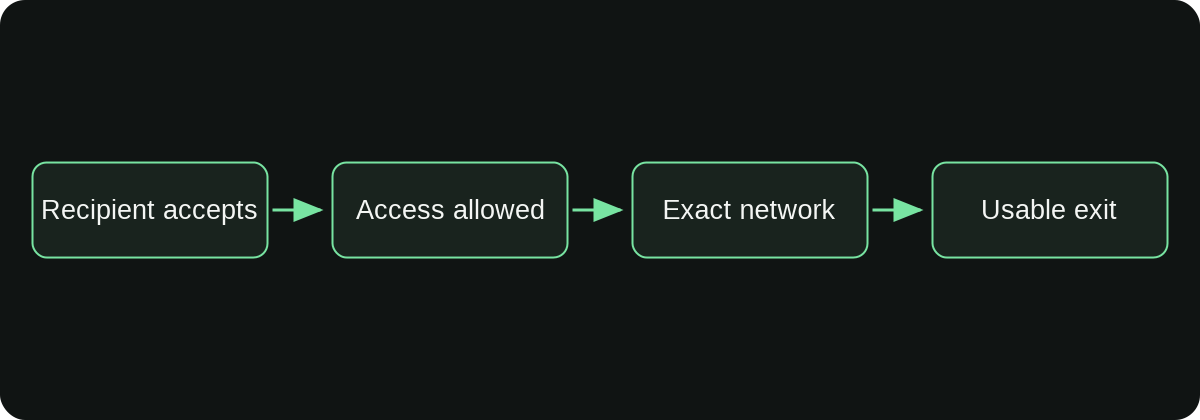
Write one sentence describing your requirement: pay a supplier, hold funds between trades, repay a specific loan or transfer money to family. Include the recipient, network, amount and deadline. That sentence eliminates candidates that cannot complete the task.
Next identify mandatory constraints. Perhaps a receiving platform only credits one native token on one chain. Perhaps your jurisdiction or account does not allow the service you hoped to use. Those are pass-or-fail conditions, not minor differences to average into a score.
Compare costs only among routes that pass. Buying an inexpensive token and later bridging it, swapping it and paying another withdrawal fee can cost more than acquiring the correct asset directly. Operational fit often matters more than a small difference in trading spread.
Compare the claims behind the four tokens
USDT and USDC involve centrally issued stablecoins with their respective issuer terms. PYUSD is issued by Paxos for the PayPal ecosystem and other supported uses. DAI originates in a collateralized protocol system associated with Sky, rather than representing an ordinary bank account.
Use this starting matrix to organize the investigation, not to rank safety:
| Candidate | What to investigate first | What the name does not establish |
|---|---|---|
| USDT | Accepted network, issuer terms and market exit | Universal direct redemption access |
| USDC | Native contract, provider access and reserve evidence | That every bridged version has the same claim |
| DAI | Collateral system, protocol routes and application support | Independence from all centralized collateral |
| PYUSD | Paxos issuance and your service’s actual features | Availability of every feature in every country |
Tether’s redemption schedule and Circle’s USDC information illustrate why direct issuer access and retail selling are different questions. Do not treat an institutional service as an automatic cash-out facility for every holder.
Match the token to your specific workflow
For an exchange transaction, verify the quoted pair and the asset credited when you deposit. A venue may display several dollar-linked instruments while supporting different deposit networks for each. Check both the asset and the settlement route.
For a payment, the recipient’s acceptance is decisive. Agree on whether the obligation is a fixed number of tokens or a fixed amount of fiat money. Clarify who bears a price deviation or transfer cost before sending.
For DeFi, start with the deployed market. Inspect the exact collateral or debt asset, liquidity and current parameters. A similarly named wrapped token may not be interchangeable with the asset your loan requires.
For a PayPal-based workflow, PayPal’s PYUSD help describes account functions and distinguishes crypto conversion fees from other PYUSD actions. The supported network shown for your transfer matters more than a general list of chains on which the token exists.
Understand DAI’s connection to USDS without confusing assets
DAI comparisons should reflect the current Sky ecosystem rather than treating the project as frozen in an earlier design. The official token-route documentation describes an Ethereum converter between DAI and USDS.
That is a token conversion route, not a withdrawal of dollars to a personal bank. Savings shares are another category again: accumulating value inside a savings wrapper should not be confused with holding the base stablecoin at an unchanged unit exchange rate.
If your intended application accepts DAI, check whether changing to USDS would actually help. If it accepts USDS instead, verify that route and its costs. A rebranding narrative is not enough reason to change an asset that currently fulfills your task.
Diversification requires different failure paths
Holding four tickers does not necessarily create four independent protections. Tokens may share banks, collateral assets, bridges, exchanges or the same wallet permissions. A failure in one shared layer can affect several balances together.
Map custody separately from token choice. Splitting tokens inside one exchange account does not diversify that exchange’s operational risk. Moving everything into one self-custody wallet changes the risk but concentrates key security and transaction authorization in another place.
Also compare liquidity under stress, not only normal trading activity. Look at plausible selling size, available counterparties and the rules for withdrawals. A token can have a convincing reserve disclosure while your chosen service has a weak local exit.
The general safety guide helps map these dependencies. The USDT–USDC comparison explores those two issuer routes more closely without replacing this four-token task filter.
Make a choice you can revisit
Keep a short decision record: intended use, receiving support, verified contract, expected net cost and fallback. Add what would trigger a review, such as a service restriction, changed redemption terms or a loss of market liquidity.
Do not select based solely on rewards. Determine who pays them and what additional obligation you accept. Moving into a lending product is a separate decision from choosing its underlying stablecoin, even when the interface presents both together.
A practical result might be using different tokens for distinct tasks rather than holding every balance in the same one. The goal is a route you understand and can complete, with risks that match the amount and purpose involved.
Questions that refine the choice
Should a business choose the same stablecoin as its customers?
Customer demand matters, but so do accounting, payout support and compliance obligations. A business may accept one asset and convert it under a documented treasury policy rather than retain every token it receives.
Can I compare token safety using market capitalization alone?
No. Size can indicate adoption but does not establish reserve quality, holder rights or your ability to exit. Compare the underlying claim and the actual route before using market size as supporting context.
What if two tokens meet every requirement equally well?
Compare total cost, operational simplicity and your ability to maintain records. Prefer a process you can verify consistently; a marginal quote advantage may not justify adding unfamiliar chains or intermediaries.