
To buy USDT or USDC, first choose a service genuinely available to you, confirm the exact token and network you need, fund the account and review the final order. The purchase is complete only when the executed quantity and any planned withdrawal have been reconciled.
Start with the destination. If the purpose is paying someone or funding another account, the token that is easiest to buy may not be the one the recipient can use. Resolve the entire route before committing money at the first step.
1. Define what the purchased funds must do
Write down the amount, token, network and final destination. If the recipient ultimately needs bank money, confirm the local conversion and withdrawal route too. A successful token purchase alone does not complete that task.
Check current destination instructions rather than an old screenshot. Some services accept native tokens but not bridge representations, or support deposits on fewer networks than the wallet displays. A familiar ticker does not establish compatibility.
For background, read Circle’s native and bridged distinction and the chosen issuer’s official asset information. If a token identifier is needed, obtain it through an official source and verify the network; do not trust an advertisement or a direct message containing a similar name.
2. Verify the provider and account requirements
Find the provider through an independently verified address or app listing. Identify the legal entity serving the account and check the permissions relevant to your location. A global brand can operate through different entities and product terms.
Complete the required identity and funding steps honestly. Check whether the account can trade immediately and whether withdrawals remain subject to funding clearance or compliance review. A funded balance does not establish unrestricted transfer availability.
Read custody and recovery terms. If the provider holds the keys, a visible token balance is an account relationship as well as an asset exposure. The FDIC’s guidance explains why crypto assets should not be assumed to have deposit-insurance protection.
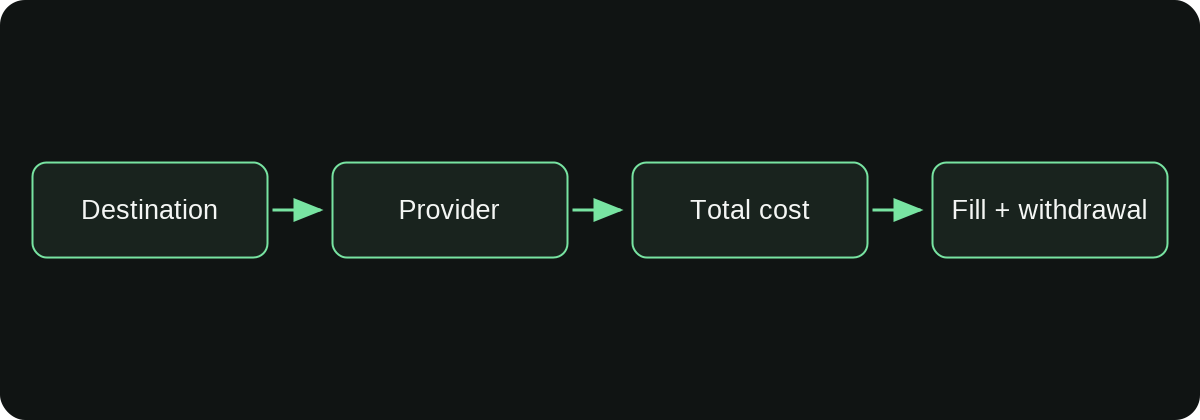
3. Compare funding and purchase costs
Compare bank transfer, card or other permitted funding methods using the amount that will actually become available. Look for deposit charges, currency conversion, spread, trade fees and any hold on withdrawals. A headline commission rate may omit several of these costs.
For a hypothetical budget of $500, a funding charge or an unfavorable purchase quote reduces the tokens received even when the stablecoin targets one dollar. Do not assume the number of tokens must equal the number of dollars spent.
Record the full cost per token and the expected amount reaching the destination. If comparing two services, use compatible times and the same task. A route with a cheap purchase can become expensive at the withdrawal step.
4. Confirm the asset in the order ticket
Choose the genuine USDT or USDC instrument and the correct trading or conversion function. A leveraged contract, yield product or token with a similar symbol is not the same purchase. Read the product name and conditions before entering an amount.
If using an order book, distinguish a market order from a limit. A market order prioritizes execution at available prices; a limit specifies an acceptable boundary and can remain unfilled. A simple conversion service instead supplies its own quote and expiration conditions.
Inspect the estimated quantity, currency charged and fees in the preview. Where a route is restricted or unavailable, stop and resolve it rather than substituting another product merely because its name looks close.
5. Submit once and verify the result
After submission, check whether the order is pending, filled, partially filled or rejected. Preserve the transaction or order identifier. An accepted instruction does not necessarily mean the requested token quantity has been acquired.
Reconcile the executed amount and average price against the confirmation. If a purchase is partial, the remaining money or working order may need attention before a second instruction is submitted. Avoid duplicating a purchase because a screen update was delayed.
Separate the trade record from the funding record. They can have different timestamps and fees. A clear ledger helps explain why the final balance differs from the original bank debit and supports later accounting or tax work.
6. Withdraw only through the verified route
For self-custody, confirm the wallet address, chosen network and supported token version. For another custodial service, include any required memo or reference. Compare the withdrawal fee and minimum with the quantity being sent.
A small test can help confirm present operational details where appropriate. Wait for both blockchain confirmation and destination credit before interpreting the route as successful. A confirmed on-chain transaction is not always the same as a credited exchange account balance.
Keep the transaction identifier and destination instructions. The storage guide explains what changes when the keys become your responsibility. Do not assume withdrawing removes issuer, network or token-contract risk.
Buying directly from an issuer is a different route
Issuer services can have eligibility and minimum requirements that differ from a retail marketplace. Tether’s fee page lists a $100,000 minimum for direct acquisition or redemption. Circle’s direct services also have their own account conditions.
Do not send tokens or money to an address advertised as an issuer desk without verifying the channel. A scammer can copy branding and invent an account-activation or unlock payment. Genuine support does not need your wallet recovery phrase to explain a buying restriction.
Resolve an incomplete purchase from the correct stage
If money was charged but no trade appears, check the funding stage. If the trade filled but the token cannot leave, inspect withdrawal eligibility. If the transfer is confirmed but not credited, use the receiving service’s genuine support process with the transaction details.
This stage-by-stage approach is more useful than submitting repeated payments or transferring a different token at random. It identifies who can resolve the problem and avoids creating additional transactions before the original state is understood.
Frequently asked questions
Can I buy less than one token?
Many interfaces allow fractional quantities, but minimum order value and token precision depend on the provider and network. Read the ticket rather than assuming a whole-token minimum or universal fractional support.
Does saving an address once make every future withdrawal safe?
No. Recheck the recipient, network and current support, especially after migrations or account changes. An old address-book label can preserve a mistake or become inappropriate for a new token route.
What if the quote expires while I review it?
Request a new quote and compare the updated terms before confirming. Do not assume the previous price or quantity remains available, particularly when funding currency, spread or market conditions change.